New Patients Welcome!


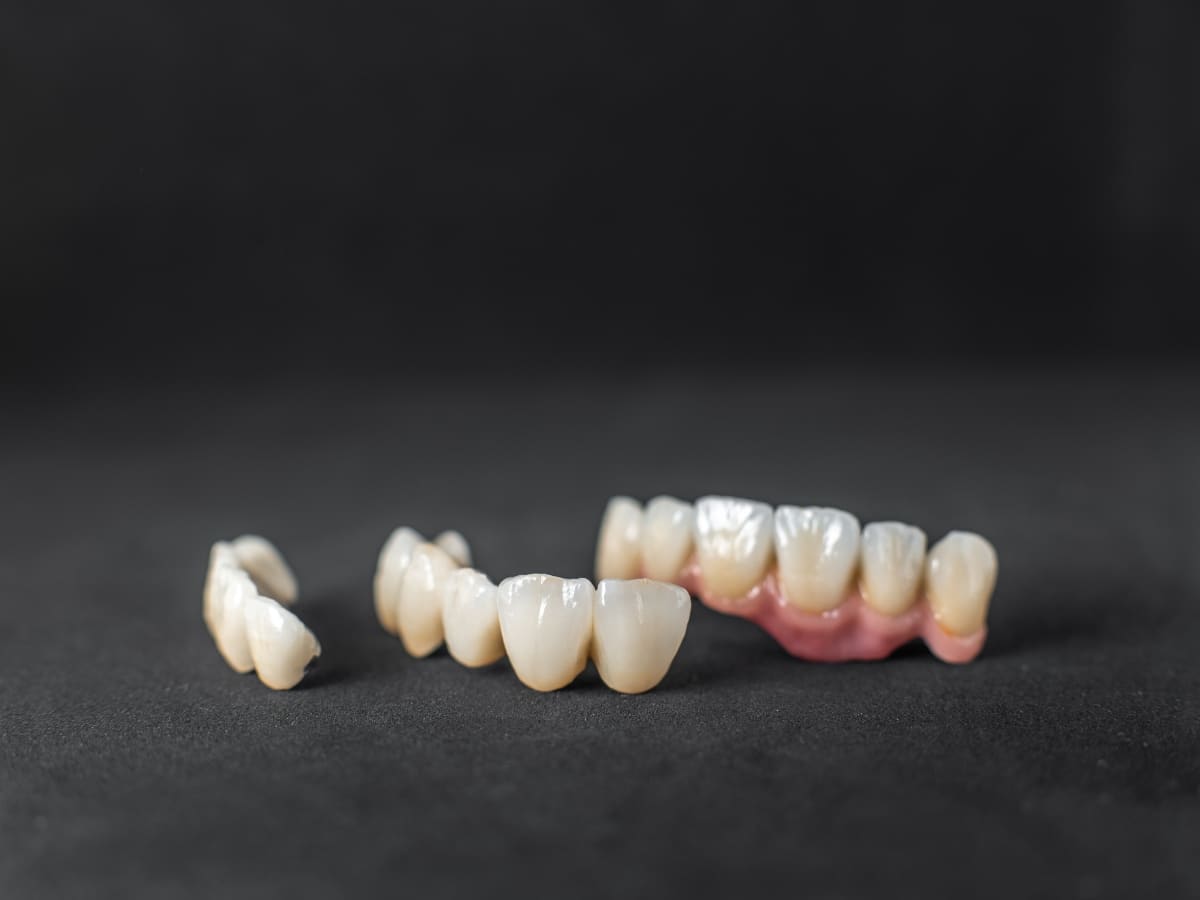
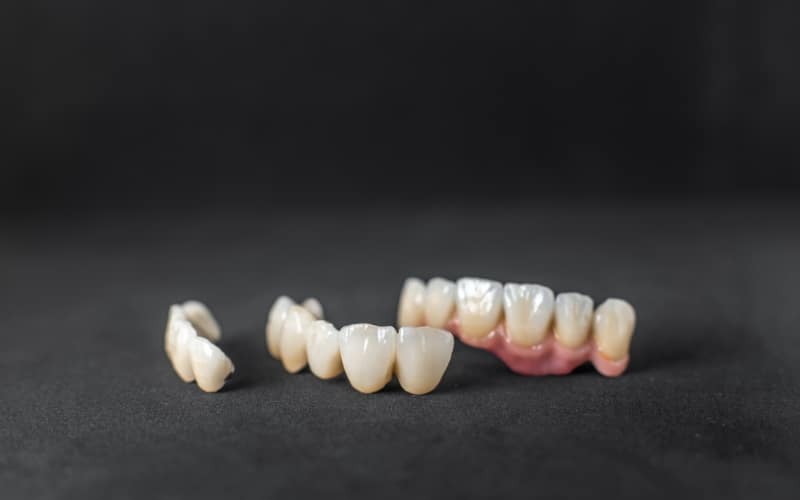
Crowns, also known as dental caps, are often used to restore damage caused by tooth decay or injury, covering weakened enamel and improving chewing function. It involves shaping the tooth and then placing a custom restoration that covers it to provide strength and structure. Although most patients feel comfort soon after the treatment, some may report temporary changes in the tooth’s response to heat, cold, or pressure.
Mild tooth sensitivity after crown placement is a normal response in many instances, as the tooth and surrounding tissues adapt. A dentist places a crown to help restore a tooth’s normal function, but the inner structures can be more sensitive for a period afterward. An understanding of why this happens when handling such a life-changing diagnosis and how to manage it will help you stay prepared during recovery. You will also understand when further evaluation would be beneficial.
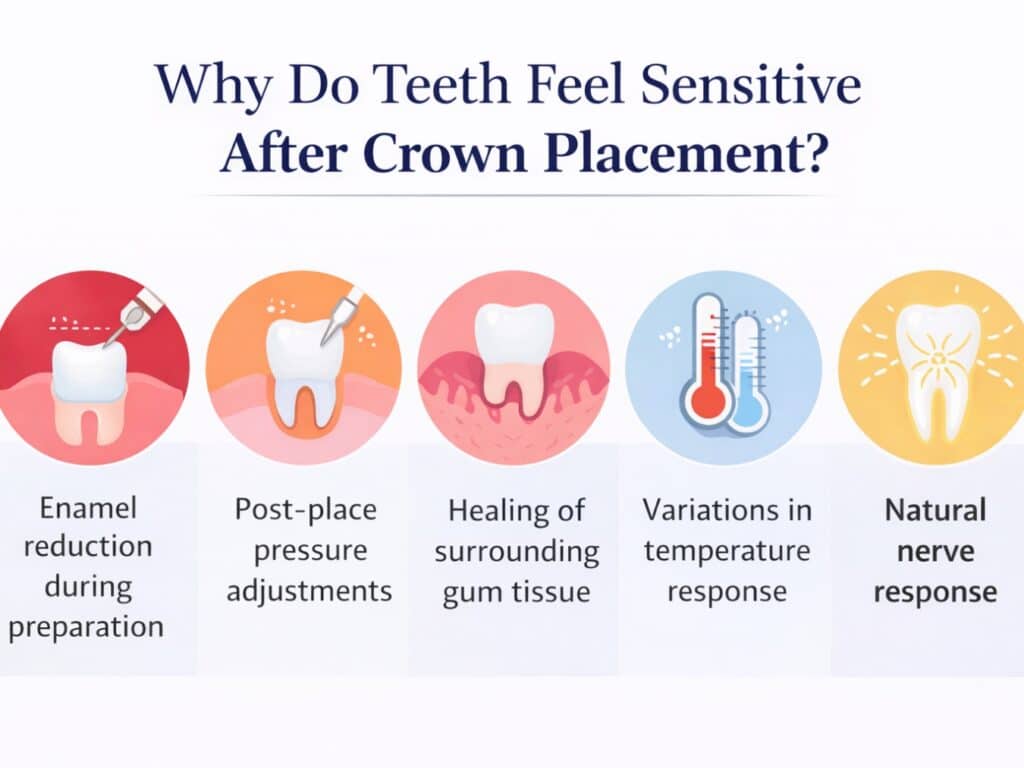
Why Do Teeth Feel Sensitive After Crown Placement?
During crown placement, the tooth is patterned out to prepare for the restoration. This process temporarily irritates the nerves or the enamel layer, resulting in sensitivity.
The following factors can contribute to tooth sensitivity after treatment.
- Enamel reduction during preparation: A small amount of enamel is removed from the tooth in order to create space for dental crowns in Ventura. This exposes the dentin layer beneath it, which can be more sensitive to temperature variations.
- Post-placement pressure adjustments: A crown must be in line with the surrounding bite. You may notice this when feeling the bite initially; if so, the tooth will respond with a small amount of discomfort until everything settles.
- Healing of surrounding gum tissue: The tissue around the tooth may be sensitive for a couple of days. That can lead to sensitivity when brushing or eating.
- Variations in temperature response: Cold sensitivity is the initial symptom that most patients recognize. This is prevalent early on after treatment.
- Natural nerve response: Even with great care, the nerve might still feel some temporary irritation as it settles down.
Such responses generally lessen over time as the tooth acclimates to the new restoration.
Temporary Crown Sensitivity Before the Final Crown
During the process, a dentist in Ventura initially places a temporary crown, and the final crown will be created in a dental laboratory. Sensitivity may be heightened during this period. While temporary crowns are meant to protect the prepared tooth, they do not always seal it as well as the final restoration will when it is cemented.
- Protection for the temporary crown: The temporary restoration protects the prepared tooth while a permanent crown is being fabricated.
- Small gaps in the restoration: If a temporary crown allows minimal temperature changes to come into contact with the tooth, it may lead to temporary crown tooth sensitivity.
- Temporary sensitivity to food or drinks: You may feel temporary sensitivity when consuming hot beverages, cold water, and sugary foods until the permanent crown is put into place.
- Settling of the tooth: The prepared tooth may still be adjusting and settling down post dental procedure.
Once the permanent restoration is whole, many patients appreciate renewed comfort.
Frequent Sensitivity Triggers After a Crown Treatment
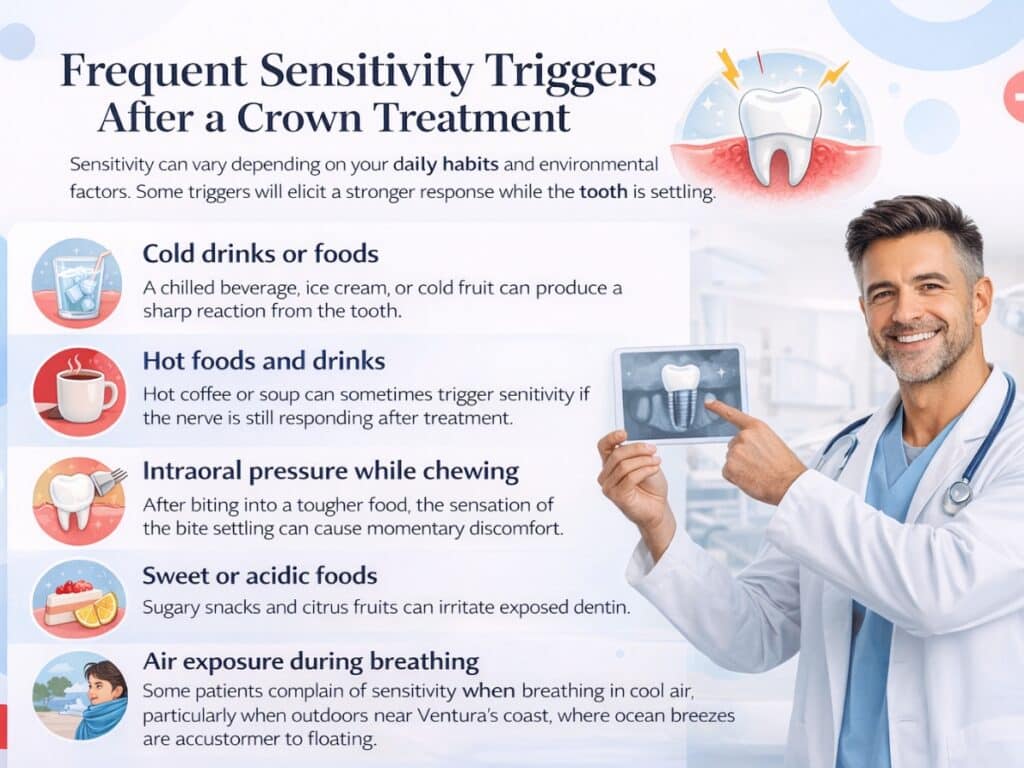
Sensitivity can vary depending on your daily habits and environmental factors. Some triggers will elicit a stronger response while the tooth is settling.
- Cold drinks or foods: A chilled beverage, ice cream, or cold fruit can produce a sharp reaction from the tooth.
- Hot foods and drinks: Hot coffee or soup can sometimes trigger sensitivity if the nerve is still responding after treatment.
- Intraoral pressure while chewing: After biting into a tougher food, the sensation of the bite settling can cause momentary discomfort.
- Sweet or acidic foods: Sugary snacks and citrus fruits can irritate exposed dentin.
- Air exposure during breathing: Some patients complain of sensitivity when breathing in cool air, particularly when outdoors near Ventura’s coast, where ocean breezes are accustomed to floating.
These reactions typically get better as the tooth settles and the crown becomes fully integrated into your bite.
How to Reduce Sensitivity After a Crown Procedure
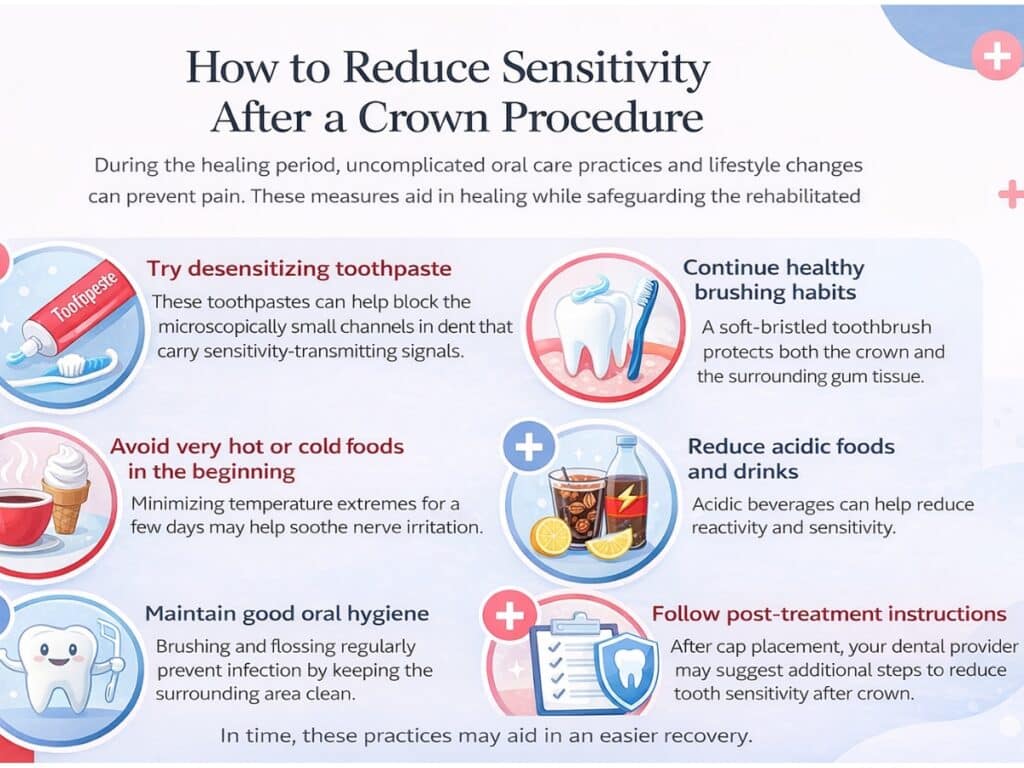
During the healing period, uncomplicated oral care practices and lifestyle changes can prevent pain. These measures aid in healing while safeguarding the rehabilitated tooth.
- Try desensitizing toothpaste: These toothpastes can help block the microscopically small channels in dentin that carry sensitivity-transmitting signals.
- Continue healthy brushing habits: A soft-bristled toothbrush protects both the crown and the surrounding gum tissue.
- Avoid very hot or cold foods in the beginning: Minimizing temperature extremes for a few days may help soothe nerve irritation.
- Reduce acidic foods and drinks: Acne beverages can help reduce reactivity and sensitivity.
- Maintain good oral hygiene: Brushing and flossing regularly prevent infection by keeping the surrounding area clean.
- Follow post-driving instructions: After cap placement, your dental provider may suggest additional steps to reduce tooth sensitivity after crown.
In time, these practices may aid in an easier recovery.
When Sensitivity Requires Dental Diagnosis
While mild sensitivity is normal after crown placement, any extreme discomfort should be evaluated. It’s important to discern between normal healing and a cause for concern.
- No sensitivity: If the tooth never becomes sensitive (or is still not sensitive after a few weeks), it could be a problem with the nerve beneath the tooth.
- Pain on biting or chewing: A sharp pain when you apply pressure to the crown may indicate it needs adjustment.
- Sensitivity that keeps getting worse: Sensitivity that increases rather than gradually improves can indicate irritation inside the tooth.
- Significant gum swelling or inflammation: An irritative reaction of the gum tissue around the crown may signal plaque coverage buildup.
- Severe temperature sensitivity: Extreme sensitivity to hot and cold temperatures warrants further investigation.
Most people find that sensitivity diminishes on its own after they have dental crowns in Ventura, but regular check-up appointments are recommended to ensure the crown functions properly.
How Daily Habits Support Crown Comfort
How quickly an episode of sensitivity dissipates can depend on how patients care for their teeth during the hours after the procedure. Maintaining oral care protects not just your crown but also the teeth that surround it.
- Protecting enamel around the crown: The crown can withstand very acidic foods.
- Daily brushing and flossing: These hygiene practices remove plaque from the area that could otherwise aggravate the gums surrounding the restoration.
- Play it safe: A mouthguard can protect your teeth when you’re playing sports and help prevent damage to existing dental work.
- Routine dental checkups: Regular visits allow the dental team to assess the crown and nearby teeth.
- Accounts of change in sensation: If you have tooth sensitivity after a crown longer than expected, report symptoms at a dental visit to determine the cause.
These help restorative remain comfortable and functional.
Restoring Comfort and Confidence After Crown Treatment
Sensitivity for a few weeks after a crown procedure can feel alarming; however, it is often due to the normal healing process that your tooth needs as it adjusts to the restoration. Identifying possible triggers and practicing good oral hygiene can ensure patients manage this stage comfortably while preserving their dental work.
If you are considering dental crowns in Ventura, our team at The Smile Shapers is here to answer any questions you may have. We are ready to assist you on your treatment journey. If sensitivity persists or seems abnormal, making an appointment can assess what is going on and restore comfort. Contact our dental office today to review your signs and symptoms and maintain a healthy smile.
Questions People Ask About Dental Crowns
1. How long can sensitivity last after a crown procedure?
Mild sensitivity can last from a few days to a few weeks as the tooth adjusts to the restoration. The nerve inside the tooth may respond temporarily after preparation. Most patients notice gradual improvement over time as the tooth stabilizes and the surrounding tissues heal.
2. Why is my crown sensitive to cold drinks?
Cold sensitivity often occurs because the inner dentin layer of the tooth is temporarily more exposed after preparation. The nerve inside the tooth can react to temperature changes. This response usually fades as the tooth adapts and the crown fully seals and protects the surface.
3. Can temporary crowns cause more sensitivity than permanent crowns?
Yes, temporary restorations may allow temperature changes to reach the tooth more easily. Because they are designed for short-term protection, they may not seal the tooth as tightly as the final restoration. Sensitivity often decreases once the permanent crown is bonded in place.
4. Is it normal for a tooth to feel sensitive when chewing after a crown?
Some patients notice mild pressure sensitivity during the first few days after placement. This can happen while the bite adjusts. If chewing pain persists or worsens, a dentist may check whether the crown needs a slight bite adjustment to improve comfort.
5. What can help calm sensitivity after crown placement?
Using toothpaste designed for sensitive teeth, avoiding extreme temperatures, and maintaining gentle brushing habits can help reduce discomfort. These steps support healing and protect the restored tooth. Following care instructions provided during treatment also contributes to a smoother recovery.
6. When should someone schedule a dental visit for crown sensitivity?
If sensitivity continues beyond several weeks, becomes severe, or occurs with swelling or pressure pain, it is wise to schedule a dental evaluation. A dental professional can check crown fit, assess the tooth’s nerve health, and recommend appropriate care.