New Patients Welcome!


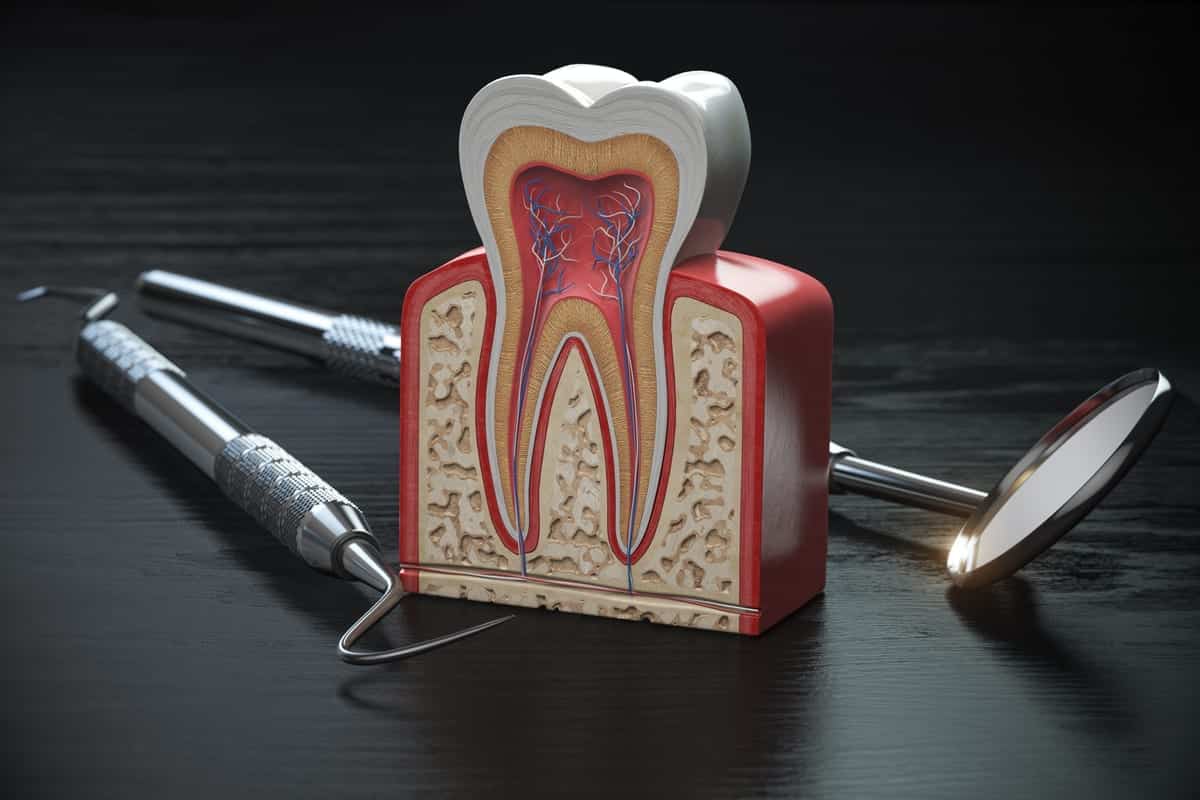
Facing a damaged or infected tooth is stressful. Many Ventura patients ask the same question: root canal or extraction — which saves your tooth and your budget? The answer depends on several factors, including the tooth’s condition, your oral health goals, and long-term costs. Dr. Beshoy Eskandar at The Smile Shapers – Dentist Ventura helps patients understand both options clearly. This guide breaks down the key differences so you can make a confident, informed decision.
Understanding Root Canal Treatment in Ventura
A root canal removes infected pulp from inside your tooth. The tooth’s outer structure stays intact after the procedure. A dental crown is then placed to protect and restore full function. This approach saves your natural tooth entirely.
Many patients fear root canals based on outdated information. Modern techniques make the procedure comfortable and efficient. Most patients compare it to getting a standard filling. Recovery time is typically just one to two days.
Saving your natural tooth has major long-term benefits. Natural teeth maintain jawbone density better than any replacement option. They also keep neighboring teeth properly aligned. Your bite remains balanced and functional for years to come.
- Preserves your natural tooth structure
- Prevents bone loss in the jaw
- Maintains proper bite alignment
- Eliminates infection and relieves pain
- Typically lasts many years with good oral hygiene
When Extraction Becomes the Better Option
Sometimes a tooth is simply too damaged to save. Severe fractures that extend below the gumline often require extraction. Advanced decay that destroys most of the tooth structure may also leave no viable alternative. In these cases, extraction protects the surrounding teeth and gum tissue.
Periodontal disease can also compromise a tooth beyond repair. When bone loss is extensive, keeping the tooth may cause more harm. Extracting it allows the area to heal properly. This creates a healthier foundation for future treatment.
Impacted wisdom teeth are another common reason for extraction. They rarely benefit from root canal treatment. Removing them prevents crowding, infection, and damage to nearby teeth. Your dentist will evaluate the situation carefully before recommending this route.
- Tooth is severely fractured beyond the gumline
- Decay has destroyed most of the tooth
- Significant bone loss from periodontal disease
- Impacted or non-restorable wisdom teeth
- Tooth cannot support a crown after treatment
Comparing Costs: Root Canal or Extraction in Ventura?
Cost is one of the biggest concerns patients raise when choosing between these two procedures. A root canal may seem more expensive upfront. However, extraction often leads to higher costs over time. Understanding the full financial picture helps patients make smarter decisions.
After an extraction, most patients need a tooth replacement. Leaving a gap creates bone loss, shifting teeth, and bite problems. Dental Implants are the gold standard for replacing missing teeth. They involve surgery, a healing period, and a crown — adding significantly to the total cost.
A root canal with a crown typically costs less than an implant placement. It also avoids the need for surgery or extended healing time. When you consider the complete cost of extraction plus replacement, saving the tooth is often more budget-friendly. Dr. Eskandar helps patients evaluate both paths honestly.
Recovery: What to Expect After Each Procedure
Recovery from a root canal is usually quick. Mild soreness may last one to three days after the procedure. Most patients return to normal activities the following day. Over-the-counter pain relievers typically manage any discomfort effectively.
Extraction recovery takes a bit longer. The socket needs time to heal and form a blood clot. Patients must avoid hard foods, straws, and smoking during this period. Full soft tissue healing takes about one to two weeks.
If you choose an implant after extraction, recovery extends further. The implant must fuse with the jawbone over several months. Only then can the final crown be placed. This multi-stage process requires multiple visits and more healing time.
Root canals generally offer a faster, less disruptive recovery. For patients with busy lives here in Ventura, that matters. Fewer appointments and faster healing mean less time away from daily routines. Dr. Eskandar prioritizes patient comfort throughout every procedure.
Making the Right Decision With Dr. Eskandar
No two patients have identical dental situations. What works for one person may not be appropriate for another. Dr. Beshoy Eskandar conducts a thorough examination before recommending any treatment. X-rays, probing depth measurements, and clinical evaluation all inform the decision.
The Smile Shapers – Dentist Ventura takes a conservative approach to care. Whenever possible, saving the natural tooth is the preferred option. Extraction is recommended only when it truly serves your long-term health. Patient education is central to every conversation in our office.
If you have questions about what you might have seen in patient experiences or treatment walkthroughs, you can browse our Invisalign Videos and patient resources on our website for helpful visual explanations. Understanding your treatment options is a key part of feeling confident in your care.
Whether you need root canal treatment, extraction, or a full tooth replacement plan, the team at The Smile Shapers is here to guide you. We serve patients throughout Ventura with personalized, compassionate dental care. You deserve clear answers and a treatment plan built around your unique needs. Book Now to schedule your appointment with our team.
Frequently Asked Questions
Is a root canal more expensive than a tooth extraction?
A root canal with a crown may cost more upfront than a simple extraction. However, extracting a tooth often leads to additional costs for replacement options like dental implants or bridges. When you factor in the full replacement process, saving your natural tooth is often the more budget-friendly choice overall.
How do I know if my tooth can be saved with a root canal?
Dr. Eskandar evaluates the tooth using X-rays and a clinical examination. Factors like the extent of decay, fracture depth, and surrounding bone health determine whether the tooth is restorable. If the tooth structure can support a crown after treatment, a root canal is usually recommended over extraction.
Does a root canal hurt more than an extraction?
Both procedures are performed under local anesthesia, so you should not feel pain during either one. Most patients report that root canals are no more uncomfortable than getting a filling. Post-procedure soreness is typically mild and short-lived with both treatments.
What happens if I do not replace a tooth after extraction?
Leaving a gap after extraction causes the surrounding teeth to shift toward the open space. This can lead to bite problems, difficulty chewing, and increased risk of tooth decay. Jawbone loss also begins in the extraction area within the first year, which affects your facial structure over time.
How long does a root canal treatment last?
A root canal treated tooth protected by a dental crown can last many years or even a lifetime with proper oral hygiene. Regular checkups at The Smile Shapers – Dentist Ventura help ensure the treated tooth and crown remain in good condition. Most patients enjoy full function from their treated tooth for decades.