New Patients Welcome!



Most Ventura residents skip dental checkups because nothing hurts. That logic feels reasonable — until a small cavity quietly becomes a major infection. Catching cavities early is one of the smartest financial decisions you can make. A routine visit at The Smile Shapers – Dentist Ventura can spot problems before they explode into expensive, painful emergencies.
Dr. Beshoy Eskandar and our team see it constantly. A patient avoids a $50 cleaning for two years. They return needing a $2,000 root canal. The math is brutal, and the pain is worse. This article explains exactly why early detection saves your teeth — and your wallet.
Why Catching Cavities Early in Ventura Changes Everything
A cavity starts as a tiny soft spot in your enamel. At this stage, treatment is fast, cheap, and painless. A simple filling can cost as little as $50–$200 depending on the size. Most patients walk out in under an hour feeling completely fine.
Left untreated, that soft spot grows. Bacteria eat deeper into the tooth. Eventually, they reach the pulp — the sensitive inner nerve tissue. Now you need a root canal, which typically costs $800–$2,000 or more. The procedure also takes longer and requires more recovery time.
Early detection literally stops this chain reaction before it starts. That is the entire purpose of a routine checkup. It is not just about cleaning — it is about catching problems when they are still small and manageable.
What Happens During a Routine Checkup at The Smile Shapers
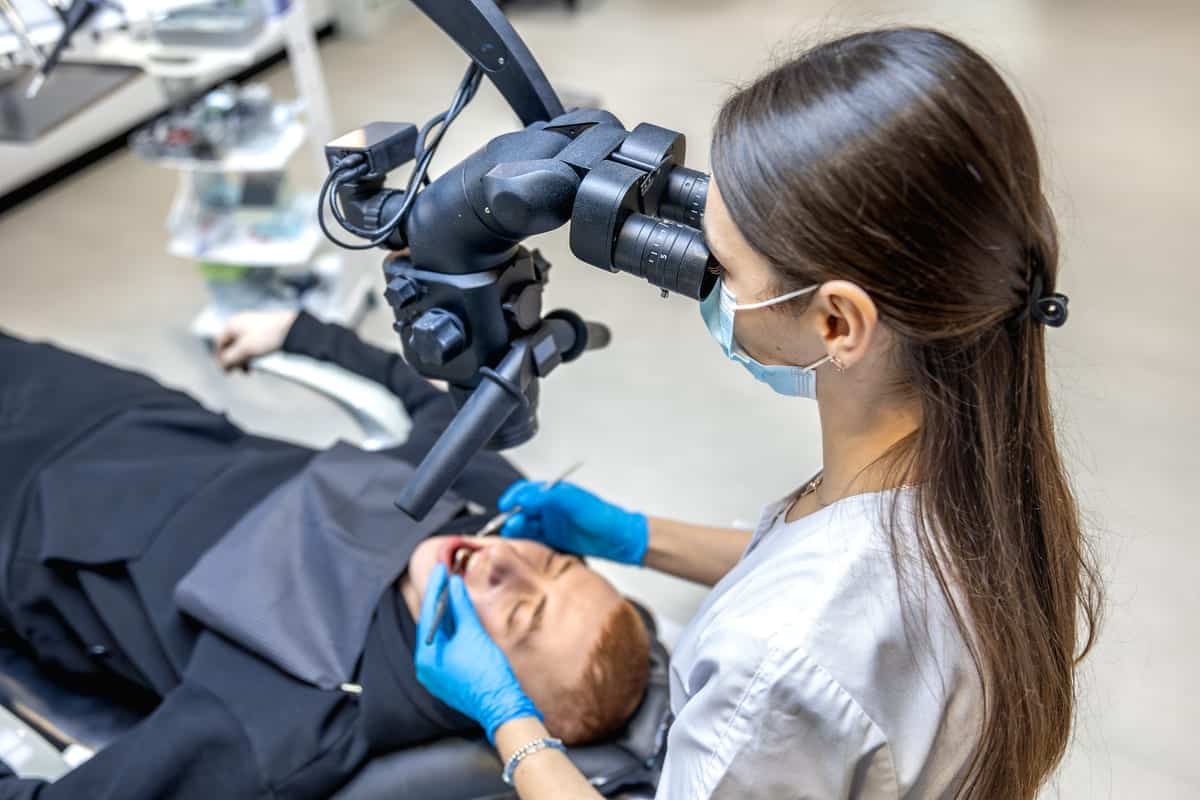
Many patients are surprised by how much a checkup covers. Dr. Eskandar does not just glance at your teeth and send you home. Every visit includes a thorough clinical examination of each tooth. Digital X-rays reveal decay hiding between teeth or below the gumline.
Here is what you can expect during a standard preventive visit:
- Full mouth X-rays to detect hidden decay
- Visual examination of all tooth surfaces
- Gum pocket measurements for early periodontal disease signs
- Oral cancer screening of soft tissues
- Professional cleaning to remove plaque and tartar buildup
- Personalized home care recommendations from our hygienist
This process takes about 60 minutes. It catches problems at their earliest — and most treatable — stage. Think of it as a full audit of your oral health twice a year.
Real Cost Comparisons: Early Detection vs. Delayed Treatment
Numbers tell the clearest story. Look at what happens when problems go undetected at each stage of progression.
- Stage 1 — Early cavity: Simple filling, $50–$200, one appointment
- Stage 2 — Deep cavity: Large filling or inlay, $300–$600, one to two appointments
- Stage 3 — Infected pulp: Root canal plus crown, $1,500–$3,000, multiple appointments
- Stage 4 — Tooth loss: Extraction plus Dental Implants or other replacement, $3,000–$5,000+
Every stage represents a decision point where earlier action was cheaper. The jump from Stage 1 to Stage 4 is not rare — it happens to patients who skip checkups for years. Two visits per year can keep you firmly at Stage 1 for life.
For patients interested in cosmetic improvements after restoring their oral health, we also share helpful resources including Invisalign Videos to guide you through straightening options.
Common Excuses for Skipping Checkups — And Why They Cost More
We hear the same reasons over and over in our Ventura office. Understanding them helps you make better decisions for your long-term health.
Frequently Asked Questions
What are the early signs of a cavity?
Early cavities often show no symptoms, which is why regular dental checkups are essential for detection. When symptoms do appear, you might notice tooth sensitivity to hot, cold, or sweet foods, or see a small dark spot on the tooth surface. Some people also experience mild discomfort when biting down on affected teeth.
How often should I have dental exams to catch cavities early?
We recommend visiting your dentist every six months for routine checkups and cleanings. However, if you’re prone to cavities or have risk factors like dry mouth or poor oral hygiene, your dentist may suggest more frequent visits to catch problems early.
Can cavities be reversed if caught early?
In the very earliest stages, cavities can sometimes be stopped or reversed through improved oral hygiene and fluoride treatments. Once a cavity has progressed to create a hole in the tooth, a filling is necessary to restore the tooth and prevent further decay.
What methods does your Ventura dental office use to detect cavities early?
We use digital X-rays and visual examinations to detect cavities at their earliest stages, often before they’re visible to the naked eye or cause symptoms. These advanced diagnostic tools allow us to identify decay between teeth and below existing restorations where cavities commonly develop.
How can I reduce my risk of developing cavities?
Brush twice daily with fluoride toothpaste, floss daily, and limit sugary snacks and drinks to protect your teeth. Combined with regular dental visits and professional cleanings, these habits significantly reduce your cavity risk and support long-term oral health.